REVIEW · PARIS
Paris: Eiffel Tower Guided Tour|Summit & second floor access
Book on GetYourGuide →Operated by Milano Art Discovery · Bookable on GetYourGuide
The Eiffel Tower feels different with a guide. You get second-floor views plus stories that make the structure click, and if you choose it, the summit finishes the job. My only caution is this is an active, security-led visit with lines and lots of standing, so it can be rough if you hate heights.
What I like most is the way your guide ties the tower’s design to what you’re actually seeing from the decks. I also love the summit add-on for the bigger sense of scale across Paris. The possible drawback is simple: security checks and elevator queues can’t be skipped, and the tour runs about 1.5 hours.
In This Review
- Key things to know before you go
- What You Get: Second Floor Views vs Summit Tickets
- Meeting at the Base and Getting Through Security
- Ground-Level Stories: Gustave Eiffel’s Vision at the Base
- The Elevator Ride and Second-Floor Observation Decks
- In-Tower Context: World Wars, Culture, and Lighting Facts
- Summit Access: Highest Views and Gustave Eiffel’s Restored Office
- Photo Time Without Panic: How the Tour Uses Its 1.5 Hours
- The Guide Factor: What Pepe and Raphael Seem to Do Right
- Who This Fits Best (and Who Should Skip It)
- Price and Value: Is $50 Worth It?
- Should You Book This Eiffel Tower Summit and Second Floor Tour?
- FAQ
- What does this Eiffel Tower tour include?
- How long is the tour?
- Is the tour guided in English?
- How much does it cost?
- What should I bring?
- What can’t I bring or do?
- Who should not book this tour?
Key things to know before you go
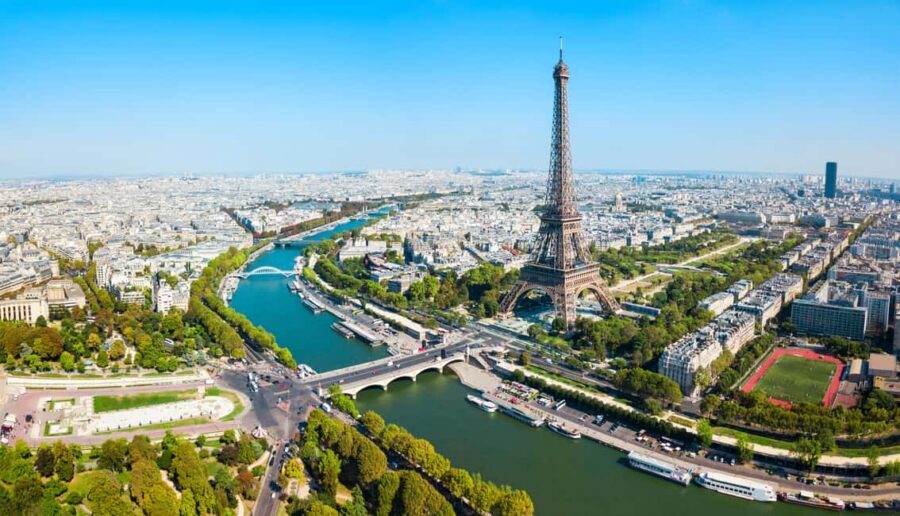
- Second-floor observation decks give you a strong view of the city’s big hitters like the Seine, Notre-Dame, and the Louvre area.
- Optional summit access means the highest public platform and the restored Gustave Eiffel office stop.
- A real guide voice helps you spot what matters in the views, not just point at buildings.
- World wars + lighting facts add context when you’re standing still and looking up.
- Photo and souvenir time happens after the guided portion, so you can linger without missing the important stops.
What You Get: Second Floor Views vs Summit Tickets
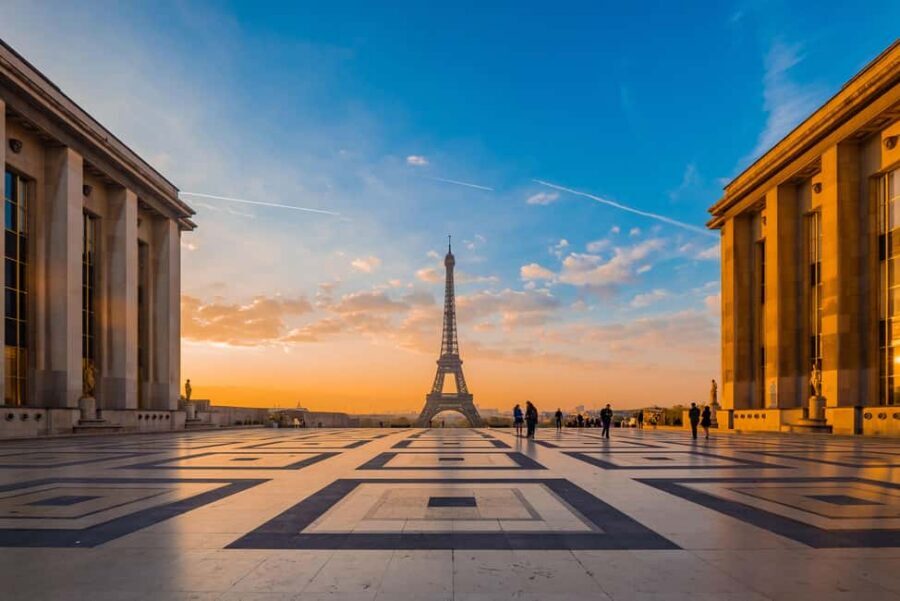
This tour is built around two heights inside the Eiffel Tower. With the standard version, you go up to the second floor for observation decks and a guided explanation timed to the views you’ll have. If you select the summit option, the tour continues higher to the top viewing platform and includes a visit to Gustave Eiffel’s restored office.
Why this matters for you: second floor is where most people get their first “wow,” because you can clearly orient to Paris from a dramatic height. Summit access is for when you want the big-picture panorama—especially on clear days, when visibility can reach as far as 70 kilometers.
The summit version also gives you a special interior moment: you can visit Gustave Eiffel’s office at the summit, with period details and wax figures. That’s not just a random extra stop—it helps explain the man behind the tower while you’re literally at the peak.
Other Summit access tours we've reviewed at Paris

Meeting at the Base and Getting Through Security
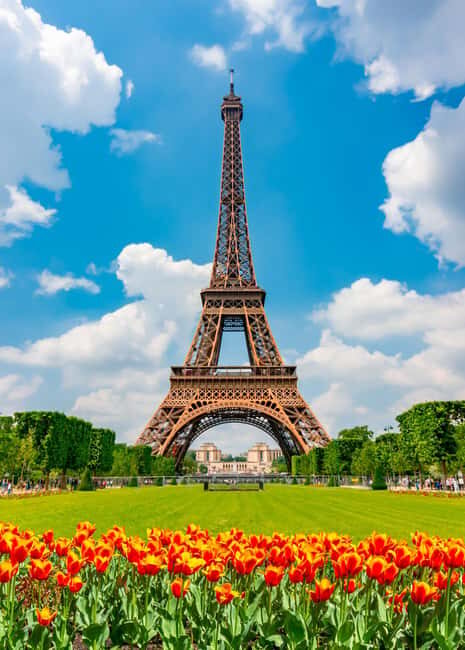
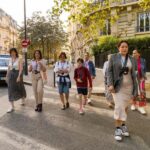
Your timing starts at the base of the Eiffel Tower. The exact meeting point can vary depending on what you booked, but the tour includes a guide who will walk you through the entry process.
Here’s the practical part: security checks are mandatory for everyone, and you can’t skip elevator queues. That means your best move is arriving on time and moving at a steady pace once you’re inside the check-in flow. Comfortable shoes help because you’ll stand and walk more than you might expect for a 1.5-hour tour.
One more thing I’d keep in mind: the tour is in English, but it’s still a group setup. So even if you’re taking photos constantly, you’ll want to stay attentive during the guided segments so you don’t miss the points your guide is linking to each viewpoint.
Ground-Level Stories: Gustave Eiffel’s Vision at the Base
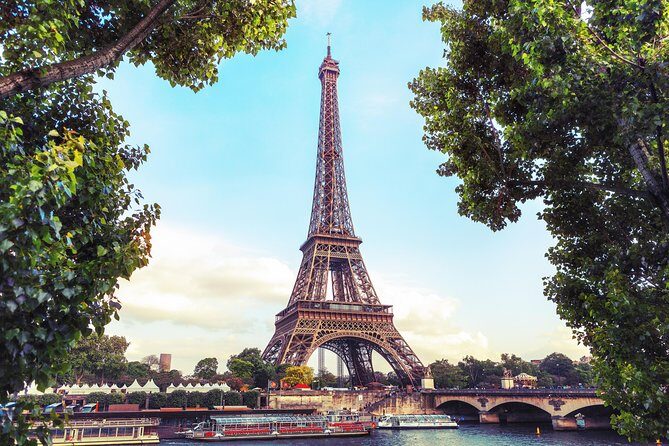
Before you ever reach the decks, the tour starts with a ground-level introduction at the base of the Eiffel Tower. This is where your guide sets the frame: why it was built, Gustave Eiffel’s vision, and how the tower tied into the 1889 World’s Fair.
This kind of prelude is useful because it changes how you look once you’re up high. When you understand the original goal and the engineering idea, the tower stops feeling like just a photo background and starts feeling like a working piece of design.
You’ll also hear about maintenance and the tower’s signature color. That’s a small detail, but it helps you notice things like how the tower’s look is preserved over time, not just what it looked like in old photos.
The Elevator Ride and Second-Floor Observation Decks
Next comes the elevator ride to the second floor. The ride itself is part of the experience, but the real payoff is what you do once you step onto the second-floor observation decks.
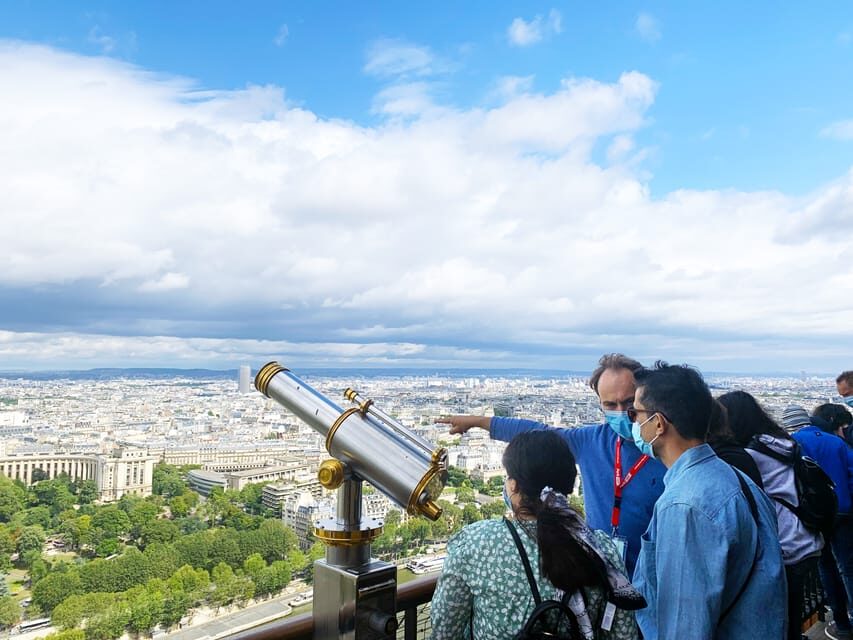
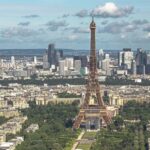
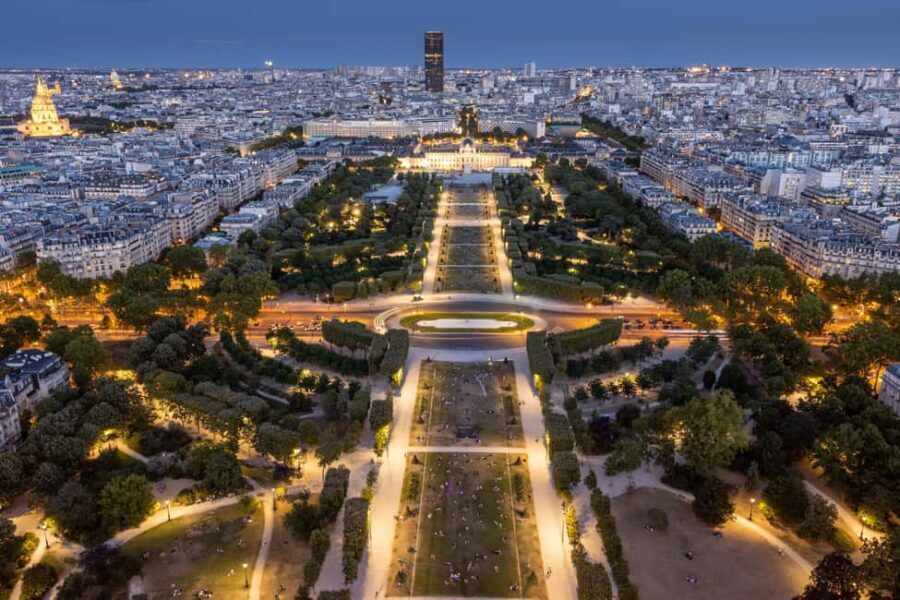
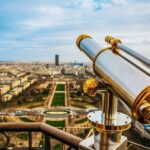
This is where the tour connects directly to major Paris sights. From the second floor, you’ll have panoramic views of the Seine River and the general area of big icons like Notre-Dame and the Louvre. Your guide points out what to look for, so you’re not stuck trying to identify everything through distance haze and crowd noise.
A quick reality check: second floor is high and the views are broad, but you’re still under the main summit structure. That’s why you get a clear “Paris grid” feeling—streets, river bends, and the city’s layout can look more readable from this mid-height than from the very top.
If you’re the type who likes photography, this is also your best chance to capture angles that show both the tower and the wider city context. The guided narration tends to land well here because you can listen while your eye follows the landmarks being described.
In-Tower Context: World Wars, Culture, and Lighting Facts
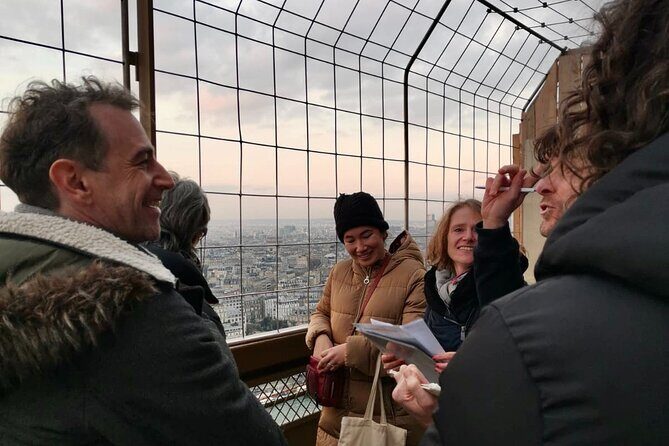
The second floor isn’t only for looking outward. Your guide also shares stories and lesser-known facts while you’re positioned for the views.
One highlight built into the tour is the tower’s role in both world wars. Hearing that while you’re literally on a steel structure can make the story feel more grounded than a museum label ever will.
You’ll also learn about the tower’s cultural significance and how it fits into contemporary Parisian life. And then there are the illumination details—how the tower’s nighttime lighting works and what the famous sparkle means in context. Even if you’re visiting during the day, those lighting facts help you understand why the Eiffel Tower is such a repeat target for evening photos.
For me, this is where the guide earns their fee. Without narration, you’d get an amazing view and a few exhibits. With the narration, you get a smarter view—one that comes with context you can remember.
Other 2nd Floor access tours we've reviewed at Paris



Summit Access: Highest Views and Gustave Eiffel’s Restored Office
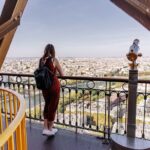
If you selected summit access, the tour goes higher after the second-floor portion. At the summit viewing platform, the Eiffel Tower stops being a tall structure and turns into the center of a much larger sky-and-city picture.
The tour notes that on clear days you can see up to 70 kilometers away. That’s the kind of range that makes you understand why Parisians built so much around this point in the city’s imagination.
Another summit highlight is the restored office of Gustave Eiffel. This stop includes wax figures and period furniture, so you’re not just moving through space—you’re stepping into a curated snapshot of the man behind the project. It also gives you a break from exterior viewing, which helps if you’ve been standing for a while.
This office visit can feel oddly human compared with the huge scale outside. It’s a nice balance: the summit panorama gives you scale, and the office gives you personality and detail.
Photo Time Without Panic: How the Tour Uses Its 1.5 Hours
The total duration is about 1.5 hours, so this is not a long, slow hang-out. Instead, it’s paced to hit the key heights and major stories, then leave you with a little breathing space at the end.
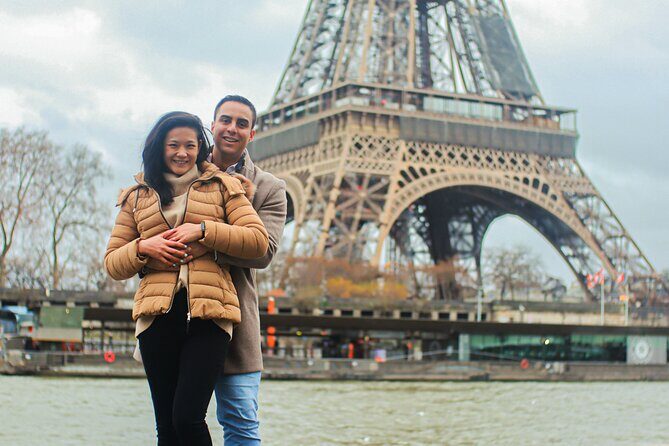
After the guided portion, you get free time to explore. That’s when you can take photos at your pace, browse souvenir shops, and grab a beverage at one of the tower restaurants or cafes (if you want to keep things simple after the climb and standing).
For planning your shots: think about the order. Summit views usually deliver the biggest “from the top” moments, while second floor often gives you the best combo of city context plus tower framing. If you’re choosing what to prioritize, I’d put your widest skyline photos on summit (if included) and your landmark-identification photos on second floor.
The Guide Factor: What Pepe and Raphael Seem to Do Right
A standout theme from the guide feedback you’ll see in this experience is how consistently the tour feels safe, clear, and entertaining. Guides like Pepe and Raphael come up again and again, with praise for strong English and for turning the tower’s history into something you can actually follow.
More than once, the comments highlight that the guides explained stories with just the right mix of humor and care. That matters because the Eiffel Tower can feel overwhelming when you’re in a crowd. A good guide helps you get oriented fast and makes the time feel organized instead of rushed.
You’ll also get a Q&A moment, which is a practical tool. If you’re curious about something specific—construction details, maintenance, or what you’re seeing—this is your chance to ask instead of guessing.
Who This Fits Best (and Who Should Skip It)
This tour is a good match for people who want a guided, story-based Eiffel Tower visit with real time at both observation levels. It’s especially appealing if you care about understanding what you’re seeing—architecture, historic moments, and why the tower looks the way it does.
It’s not built for everyone. The tour isn’t suitable for children under 4 years old due to safety and access restrictions at the summit. It also isn’t suitable for people with mobility impairments, people with heart problems, or anyone afraid of heights. You’ll be walking and standing for extended periods, and the viewing is from high platforms.
On the rules side, pets aren’t allowed (assistance dogs are fine). Luggage or large bags aren’t allowed either, and smoking is not permitted. Strollers are not allowed, and weapons or sharp objects are not permitted.
If any of those are deal-breakers, it’s worth choosing a different Eiffel option that matches your comfort level.
Price and Value: Is $50 Worth It?
At $50 per person for a 1.5-hour guided experience, the question isn’t whether the Eiffel Tower is worth it. It’s whether this format gives you extra value beyond entry and views.
Here’s the value equation I see:
- You get a live English guide who narrates construction, historical events, and cultural significance.
- Your time is structured across meaningful observation stops—second floor for the big panoramas, and summit for the top view plus Eiffel’s office (when selected).
- You also get a Q&A session, which can turn a good tour into a memorable one because you can tailor your curiosity.
Could you do this on your own? Sure, you can buy tickets and wander. But with a guide, you’re paying for explanation that changes what you notice. For me, that’s the real point of this tour: it turns an iconic photo stop into an organized, understandable experience.
Should You Book This Eiffel Tower Summit and Second Floor Tour?
Book it if you want your Eiffel Tower visit to feel guided, efficient, and story-driven. Choose summit access if you can handle heights and you really want the top-of-Paris panorama plus Gustave Eiffel’s restored office. This is also a strong pick if you enjoy asking questions and listening to explanations while you look.
Skip it or rethink it if heights make you uncomfortable, if you have heart or mobility concerns, or if your day can’t handle security lines and standing. Also, if you’re traveling with restrictions like no strollers, no large bags, or you need a more flexible pace, this one may feel too structured for you.
If you’re somewhere in the middle—excited for the views and open to a short, guided pace—this is an easy yes. The second-floor panoramas are a major payoff, and the summit add-on (when chosen) is the kind of Eiffel moment that sticks.
FAQ
What does this Eiffel Tower tour include?
It includes a guided visit with time at the Eiffel Tower’s second-floor observation decks, and summit access if you select that option. The tour also covers history and construction, plus a visit to Gustave Eiffel’s restored office at the summit.
How long is the tour?
The tour lasts about 1.5 hours.
Is the tour guided in English?
Yes, it’s a live tour guided in English.
How much does it cost?
The price is listed as $50 per person.
What should I bring?
Bring a passport or ID card, wear comfortable shoes, and bring a camera.
What can’t I bring or do?
Pets are not allowed (assistance dogs are allowed). No weapons or sharp objects, no baby strollers, no smoking, and no luggage or large bags.
Who should not book this tour?
It’s not suitable for children under 4, people with mobility impairments, people with heart problems, or people afraid of heights.