REVIEW · PARIS
Paris Private Full Day Tour: Montmartre, Sights & Eiffel Tower
Book on Viator →Operated by Local CoolTour · Bookable on Viator
Montmartre first, Eiffel last, no stress. This private full-day tour strings together Paris icons and off-the-beaten sidestreets with a local guide in English, so you can get your bearings fast. I especially like the intimate pacing (no herd, just your group) and the built-in help getting around, like the included funicular and taxi rides. One thing to think about: this is still a walking day on hills and cobblestones, so if you’re sensitive to uneven footing, plan accordingly.
I also like that the guides named in this tour experience range from Pablo to Sammy, Sharif, Sheriff, Adele, and Pamela—real people who adapt the day to how your group moves. That flexibility shows up in small moments, like steering you away from the densest crowds and keeping you moving at a schedule that actually feels workable. And yes, you’ll get real conversation time, not just a list of landmarks.
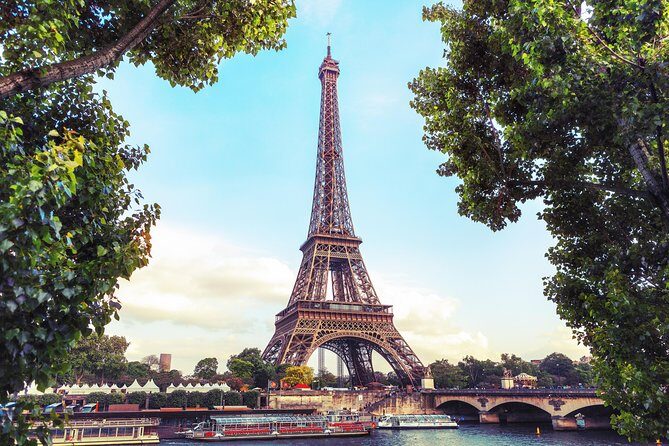
By the end, you land at the Eiffel Tower with your own ticket and enough context to enjoy it more than a quick photo dash. The trade-off is straightforward: some key admissions are not included, including Eiffel Tower access, plus Sacré-Cœur doesn’t include its ticket. If you’re the type who likes everything booked and handled, double-check what you’re buying in advance.
In This Review
- Key things I’d circle before you go
- Why This Private Montmartre–Eiffel Day Works So Well
- Price and Value: What $215.66 Buys (and What You Still Pay)
- Getting the Most From a Private Guide (and Choosing the Right Fit)
- Montmartre Start: Sacré-Cœur Views and the Hill Game
- Clos Montmartre, Place du Tertre, and the Romantic Stops
- Vigne du Clos Montmartre
- Place du Tertre (Painters’ Square)
- Le Mur des Je t’aime
- Abbesses Metro Entrance and the Pigalle-Style Time Break
- Montmartre Cemetery: A Quiet Detour With Real Character
- From Place Vendôme to Tuileries: Paris in Its Formal Clothes
- Place Vendôme
- Jardin des Tuileries
- Place de la Concorde
- Grand Palais, Petit Palais, and a Beaux-Arts Seine Crossing
- Eiffel Tower at the End: Make the 15 Minutes Count
- How Much Walking Is Involved? (And What to Wear)
- Who Should Book This Tour—and Who Might Skip It
- Should You Book Paris Private Full Day Tour: Montmartre, Sights & Eiffel Tower?
- FAQ
- How long is the private tour?
- What is the price per person?
- Is the Eiffel Tower ticket included?
- Is lunch included?
- Is coffee included?
- Do I need to buy Sacré-Cœur tickets separately?
- Are tickets to the Montmartre funicular included?
- Is this tour private or group-based?
- Where does the tour start and end?
- What’s the cancellation policy?
Key things I’d circle before you go
- Private guide in English for your group only, with flexible pacing
- Montmartre hill logistics handled with funicular tickets and taxi rides
- Classic café stop in Montmartre, timed for a proper break
- Painters’ Square and romantic wall style stops that feel like Paris (not a museum)
- Paris core landmarks from Vendôme to Place de la Concorde and the Tuileries
- Eiffel Tower last, with quick but high-impact viewing time
Why This Private Montmartre–Eiffel Day Works So Well
This tour is built for the classic first-time problem in Paris: you want the big sights, but you also want the “how do people actually live here?” details. The order matters. Starting in Montmartre gets you into Paris at the scale of neighborhoods—stairs, views, local corners, and that artsy-by-day vibe. Then you move into central Paris for squares, grand architecture, and a smooth shift toward the Seine.
What makes it feel practical is the through-line: you’re guided from viewpoint to viewpoint with the day broken into short, digestible chunks. Instead of one long lecture, you get a rhythm—walk a bit, pause, look closer, then move on. That’s especially helpful if you’re traveling with mixed interests or different walking speeds.
The “private” part isn’t just marketing. It changes everything about how you experience the crowded stops. Your guide can choose when to linger and when to step to a less packed side, so your day doesn’t feel like constant jostling.
Other Montmartre combos we've reviewed at Paris


Price and Value: What $215.66 Buys (and What You Still Pay)

At $215.66 per person, you’re paying for a whole-day guide plus specific included transport and food moments. Here’s how the value usually lands:
Included value that saves your time
- 7 hours (approx.) with a local guide in English
- Funicular to Montmartre tickets (this helps with the hill right away)
- Taxi rides (handy for moving between areas efficiently)
- A coffee/tea stop in Montmartre if you choose the full option
- Lunch in a typical French restaurant if you choose the full option
What’s not included
- Tickets to Eiffel Tower
- Private guide inside the Eiffel Tower (you enter on your own)
- Sacré-Cœur admission ticket isn’t included
So the question isn’t just “Is it expensive?” It’s “Do I want someone to do the planning and sequencing for me?” If you’re doing Paris for the first time, and you want to save your energy for the actual sights, this kind of set-up often feels like good value. If you’re comfortable making your own route and you’d rather skip lunches/cafés, you may prefer a cheaper self-guided plan.
Getting the Most From a Private Guide (and Choosing the Right Fit)
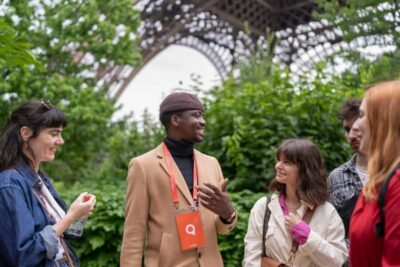
A private guide is best when you use them like a tool. Ask questions. Stop when something catches your eye. Let them explain why a place looks the way it does, not only what it’s called.
This tour’s guide experience seems to vary by personality, but the common thread is that the day can flex. One example from the guide style shared here: guides like Pablo and Sammy are praised for being easy to talk to and for tailoring the day to your pace. Another style element you should expect is crowd-smart routing—keeping you out of the densest pockets when possible.
In a city as large as Paris, it’s the little decisions that make or break a day:
- When to take a short detour
- How to pace uphill segments
- Where to pause for views without feeling rushed
If you’re the kind of traveler who likes control, you’ll probably like this setup. If you’re the type who needs zero walking and minimal planning effort, you’ll still want to review what’s involved (more on that below).
Montmartre Start: Sacré-Cœur Views and the Hill Game
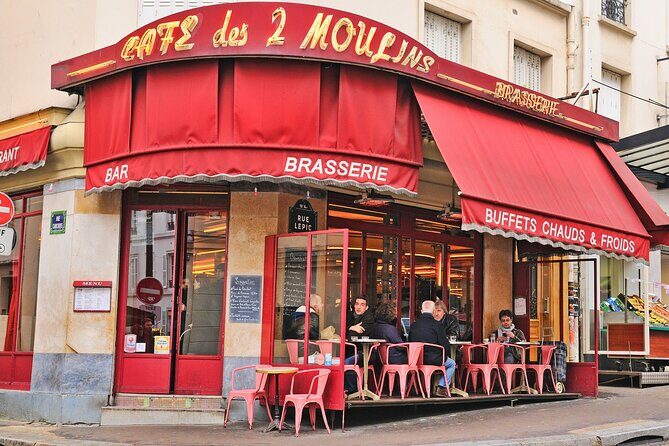
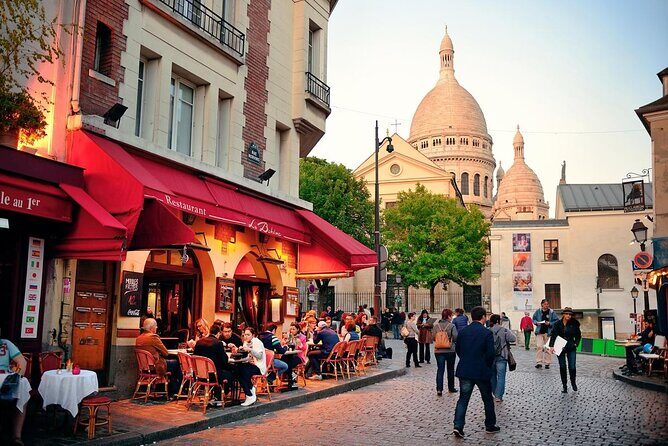
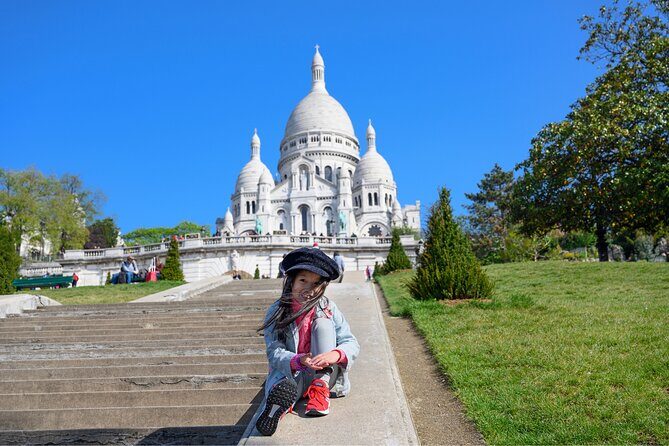
Your day begins at the foot of Montmartre, then climbs to Basilique du Sacré-Cœur. This is one of those stops where the building matters, but the surroundings matter just as much. Sacré-Cœur sits high on the hill, so even if you’re not a hardcore church person, the views and the atmosphere are the point.
What to know before you go:
- Admission to Sacré-Cœur is not included in the tour price.
- Expect time to actually look, not just stand outside.
- The hilltop location means you’ll feel the walking and stairs more than you would in other neighborhoods.
If you’re arriving with limited stamina, this is where the included funicular tickets and taxi rides earn their keep. They don’t remove the hill completely, but they help you avoid the worst of the “why did I come here by foot” moment.
Clos Montmartre, Place du Tertre, and the Romantic Stops
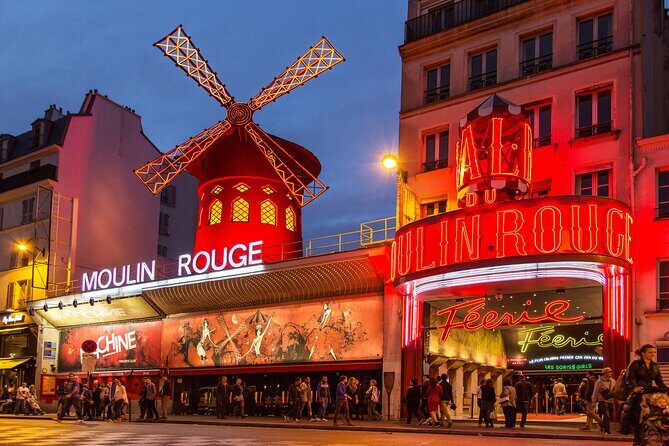
After Sacré-Cœur, the tour drops you into Montmartre’s layered personality.
Other private tours in Paris






Vigne du Clos Montmartre
This short stop is all about a contrast: vineyards inside a city neighborhood. You get a quick glimpse of a more rural Paris flavor right in the middle of busy streets.
It’s brief (about 10 minutes), so don’t treat it like a full wine tour. Treat it like a “wait, that’s here?” moment. If you like oddball details, you’ll enjoy it.
Place du Tertre (Painters’ Square)
This is one of Montmartre’s most emblematic areas, built around the tradition of painters working in public. The best part isn’t just shopping or watching art—it’s watching how the neighborhood turns “street scene” into something staged and artistic.
A practical tip: keep your phone ready, but don’t block walkways. Here, it’s easy to get slowed down by crowds and people stopping suddenly.
Le Mur des Je t’aime
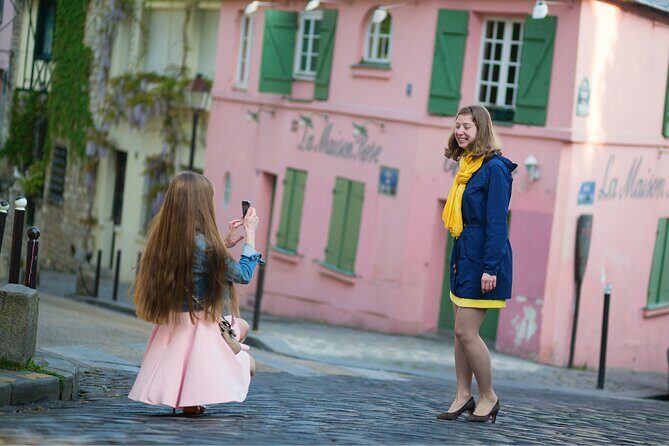
This romantic wall is quick but memorable. It’s designed for a certain kind of photo and a certain kind of pause. If you’re traveling as a couple, it’s the obvious stop. If you’re solo, it still works as a visual break from architectural sightseeing.
Abbesses Metro Entrance and the Pigalle-Style Time Break
The tour continues with Place des Abbesses, where the metro entrance stands out for its modernist design by Hector Guimard (one of two surviving metro structures in Paris, as described here). This is a great stop if you like details people miss—because the building itself is the landmark.
Then the day shifts into a playful mood with an older cabaret stop in the Belle Époque spirit (the tour describes it as an icon of that era). Cabarets are a good fit for a guided day because they come with context: how entertainment, nightlife, and Paris identity evolved.
Next up is a breather in Bouillon Pigalle—a traditional restaurant-style stop with about one hour. This break matters. Montmartre walking can build fatigue fast, and without food you’ll start moving like a tired commuter instead of a sightseeing traveler.
Montmartre Cemetery: A Quiet Detour With Real Character

Then you get Montmartre Cemetery in the middle of all this sightseeing energy. It’s a different pace: less postcard, more atmosphere. The tour description notes that many tombs here are catalogued as Historical Monuments, which is a useful framing.
This stop is about 15 minutes, so you’re not supposed to wander for hours. You’re meant to notice the setting and leave with a sense of another layer of Montmartre’s story—one that isn’t about nightlife and views.
If you’re the kind of traveler who likes photography, this is often where your day feels calmer. But keep expectations realistic: it’s not a museum “tour” stop. It’s a short, reflective walk.
From Place Vendôme to Tuileries: Paris in Its Formal Clothes
Leaving Montmartre, the tour moves into more classic Paris geometry.
Place Vendôme
This is a square with an imposing central column and a story tied to French history. It’s one of those places where you can read the vibe quickly: power, symmetry, and old-world grandeur.
The stop is short (about 10 minutes), so don’t plan on going deep. Use it to reset your eyes after hillside streets.
Jardin des Tuileries
Next is the Tuileries Garden, a long public park that links Place de la Concorde and the Louvre area. Even if you don’t intend to go to the Louvre, this park is a “Paris breath” moment. It’s a nice reset after urban stops.
Place de la Concorde
This is the heavy-hitting square: the French Revolution connection with Louis XVI’s execution and Marie-Antoinette is part of what your guide will point out. The tour gives about 10 minutes here, which is perfect if you want the context without turning the day into a history lecture.
This trio—Vendôme, Tuileries, Concorde—gives you a working map of Paris authority and movement. You see how the city was planned to feel grand and official.
Grand Palais, Petit Palais, and a Beaux-Arts Seine Crossing
After the squares and garden time, you shift into an architecture-focused sequence. The tour notes that Grand Palais and Petit Palais connect to the Universal Exhibition of 1900, which helps explain why they look the way they do: Belle Époque scale, designed to impress.
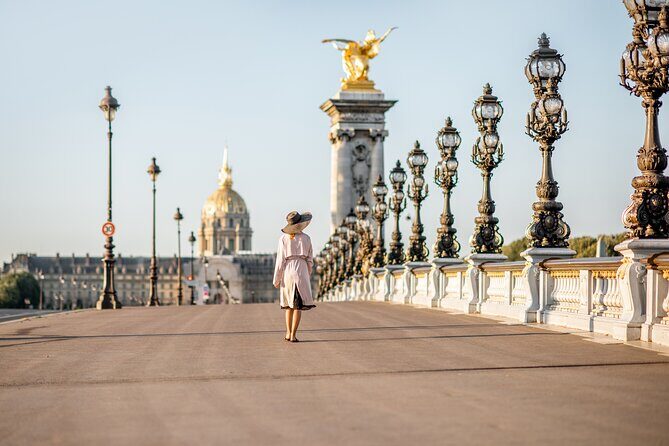
Then comes the Seine crossing via a bridge described as Beaux-Arts style and an engineering marvel. Again, the point isn’t only the crossing. It’s the view and the sense of scale—Paris looks different once you’re mid-span, moving between landmark clusters.
This is one of the best stretches of a guided day because your guide can point out what you’d otherwise miss:
- How these buildings relate to each other
- Why certain facades and spans were built for spectacle
If you like photos, this is where I’d expect you to spend a little extra time facing the right direction.
Eiffel Tower at the End: Make the 15 Minutes Count
Your tour ends at the Eiffel Tower. The description frames it as a visit around 15 minutes, with tickets required (not included here). It also notes the famous elevator access and the idea that reaching the top gives a view you can’t miss.
Key practical reality:
- You’ll enter on your own.
- The tour does not include Eiffel Tower admissions.
So what should you do?
- Have your Eiffel Tower tickets ready before you arrive.
- Plan for lines and timing. Even when you’re confident, the Eiffel Tower can make “quick stops” feel longer.
The upside is that you’re arriving after hours of guided sightseeing, so the tower lands with context. You understand why it was built for the 1889 Universal Exhibition, and you’ll notice the way it changes the skyline compared to earlier Paris views.
How Much Walking Is Involved? (And What to Wear)
This is not a zero-walking tour. Even with funicular and taxi help, you’ll deal with:
- Hill climbs in Montmartre
- Cobblestones (common in older neighborhoods)
- Lots of short stops close together
One piece of feedback shared in the experience description is that the guide adapted to walking speeds, which is great—but it also implies the terrain can slow you down. If you’re bringing older family members, or you know you tire easily, wear supportive shoes and give yourself a buffer.
My clothing advice for this kind of day:
- Comfortable walking shoes with grip for cobblestones
- Layers, because weather can change from hilltops to river areas
- A small bag you can keep zipped and close
And bring water if you run hot. The tour includes food stops, but you’ll still want to manage your own comfort.
Who Should Book This Tour—and Who Might Skip It
This tour is a strong fit if you:
- Are new to Paris and want an organized day that helps you get your bearings
- Prefer private guiding over big group crowds
- Like a mix of neighborhoods, architecture, and “local-feeling” stops
- Want a built-in lunch and coffee break (if you pick the full option)
You might consider another option if you:
- Hate hills and uneven pavement
- Want a fully ticket-included experience with no extra planning for major attractions
- Would rather spend your money on independent meals and schedule freedom
Should You Book Paris Private Full Day Tour: Montmartre, Sights & Eiffel Tower?
I’d book it when you want one day that covers a lot of Paris personality without turning your trip into logistics. The best reasons are practical: private pacing, included Montmartre transit help, and a day that blends iconic landmarks with neighborhood texture.
Before you confirm, do two quick checks:
- Decide whether you need the full option for lunch and coffee. If those breaks matter to you, they help justify the price.
- Plan for admissions you’ll buy yourself: Eiffel Tower tickets (and Sacré-Cœur not included).
If that matches your style—organized but not stiff, guided but still scenic—this is a very sensible “first Paris day” choice.
FAQ
How long is the private tour?
The tour runs about 7 hours (approx.).
What is the price per person?
The price is $215.66 per person.
Is the Eiffel Tower ticket included?
No. Eiffel Tower tickets are not included, and the tour notes that you enter on your own.
Is lunch included?
Lunch is included only with the full option. The standard option does not include lunch.
Is coffee included?
Coffee and/or tea is included only with the full option. The standard option does not include coffee.
Do I need to buy Sacré-Cœur tickets separately?
Yes. Admission for Sacré-Cœur is not included.
Are tickets to the Montmartre funicular included?
Yes. Funicular tickets to Montmartre are included.
Is this tour private or group-based?
It’s a private tour/activity. Only your group participates.
Where does the tour start and end?
It starts at 70 Blvd Marguerite de Rochechouart, 75018 Paris, France, and ends at the Eiffel Tower, Av. Gustave Eiffel, 75007 Paris, France.
What’s the cancellation policy?
Free cancellation is offered if you cancel up to 24 hours in advance for a full refund. If you cancel less than 24 hours before the start time, the amount paid will not be refunded.